
 Science &Technology
 Education & Grants
 Health & Wellness
 Internet business
 Entertainment
 Government & Polities
 Weird & Mysterious
Inside the Leak: Samsung Galaxy XR (Project Moohan) — Specs, Design, Strategy & What It Means
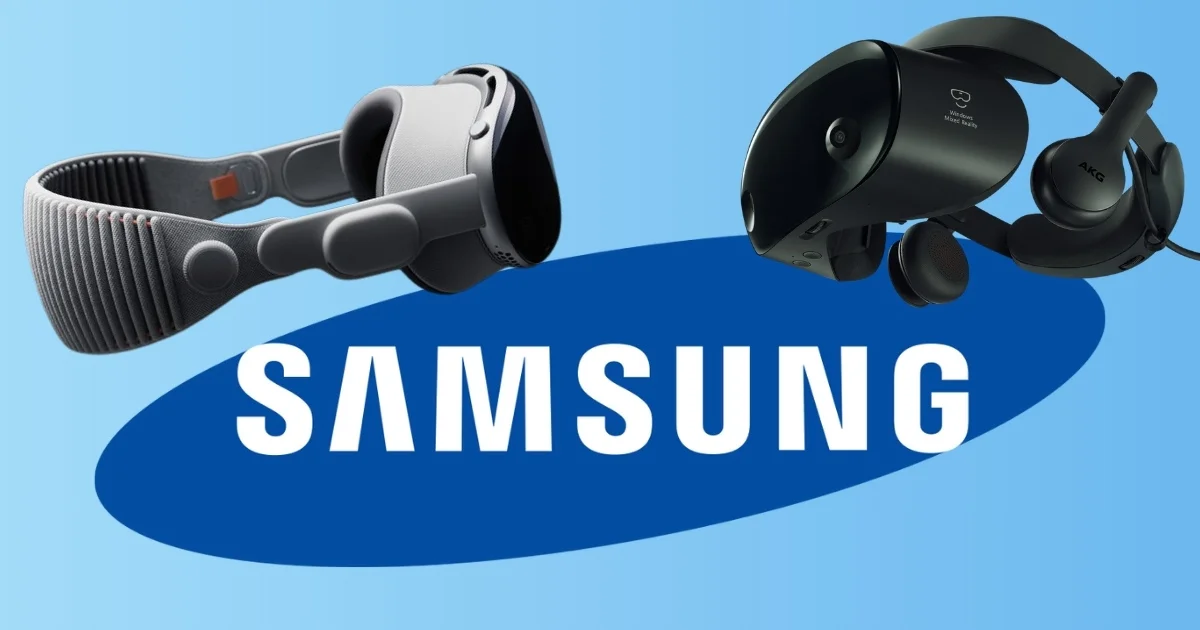
Samsung Galaxy XR headset leak reveals stunning specs, 4K micro-OLED displays, Snapdragon XR2+ Gen 2 chip, AI features, launch date, and pricing details.
“In the last 24 hours, everything we thought we knew about Samsung’s XR ambitions has been turned upside down. The Galaxy XR leaks don’t just shows hardware — they hint at a new battlefront in mixed reality. ”
Introduction
The tech world is abuzz. A wave of leaks and renders has seemingly revealed Samsung’s next big XR device, codenamed Project Moohan and likely to launch as Galaxy XR. Seen as a direct competitor to Apple’s Vision Pro, this is Samsung’s bold play into spatial computing.
In this article, I’ ll go beyond the headlines. We’ll track the leak timeline, separate what seems credible from what’s speculation, dive deeply into every claimed spec, compare to rivals, and forecast what this could mean for Samsung — especially in markets like ours.
By the end, you’ll have not just a summary of the leaks, but an informed view on what to trust, what to question, and what to watch next.

1 | Leak Timeline & Credibility Audit
To tell a reliable story, we must first ask: where did this leak come from, and how much of it holds up under scrutiny?
1.1 Key Sources & Leak Origination
-
Android Headlines appears to be one of the primary leak carriers — many outlets credit them for initial renders, spec tables, and UI screenshots. 9to5Google+3Android Headlines+3The Verge+3
-
WCCFTech ran a detailed breakdown of display, AI features, and design notes. Wccftech
-
Android Central posted earlier leaks (Geekbench, model “SM-I610”, 16 GB RAM, Snapdragon XR2+ Gen 2) which align with the larger leaks. Android Central+2Android Central+2
-
9to5Google published renders + UI screenshots + spec consensus. 9to5Google
-
SamMobile, NotebookCheck, Android Authority also echoed many of the same specs and added corroborating detail. Android Authority+2Android Headlines+2
-
Earlier leaks / benchmark hints: A few months ago, a leaked Geekbench listing for model SM-I610 surfaced, allegedly showing Snapdragon XR2+ Gen 2 + 16 GB RAM. Tom's Guide+2TechRadar+2
-
Hands-on impressions: At Google I/O 2025 or closed demos, some outlets reported early impressions of the hardware (balance, basic feel) for Project Moohan. Android Central+1

| Claim | Corroborated by Multiple Sources | Notes / Caveats |
|---|---|---|
| Snapdragon XR2+ Gen 2 chipset | Yes (Android Central, Android Headlines, WCCFTech) Android Central+2Android Headlines+2 | Strong match with earlier benchmark leaks |
| 16 GB RAM | Yes (Geekbench leak, Android Central) Tom's Guide+1 | Likely, though variants possible |
| Dual 4K micro-OLED displays / 4,032 PPI / 29 million pixels | Yes (many sources) The Verge+5Wccftech+5Android Authority+5 | The exact PPI and micro-OLED choice are plausible but not yet confirmed |
| Weight: ~ 545 grams | Yes (Android Headlines, 9to5Google, many summaries) Wccftech+3The Verge+39to5Google+3 | This likely excludes the battery pack |
| Battery life: ~2 hours / 2.5 hours (video) | Yes (many summaries) 9to5Google+3The Verge+3Android Headlines+3 | Very short; likely conservative estimate or worst-case |
| Controllers included | Yes (UploadVR, Android Headlines) UploadVR+2Android Headlines+2 | If true, a nice advantage vs some AR/VR headsets |
| UI screenshots / One UI XR overlay | Yes (9to5Google, Android Headlines) 9to5Google+2Android Headlines+2 | Helps make the leak more credible |
| Launch date / pricing leaks | Many variations — some say October 13 (Korea), others October 21, others mid-October globally Road to VR+4BGR+4Tom's Guide+4 | Dates likely to shift by Samsung |
Conclusion of audit: The bulk of key hardware claims are well corroborated. Some details (battery, UI elements, pricing, specifics of displays) are more speculative, but they align with known XR design constraints. Use them, but flag uncertainties.
2 | Leaked Specs & Features — Deep Dive
Here’s where we’ll peel each major claim apart, examine implications, and inject commentary.
2.1 Display & Optics
Leaked claims:
-
Dual micro-OLED displays with a claimed 4K resolution per eye
-
Pixel density: ~4,032 PPI
-
Combined pixel count: ~29 million
-
It is positioned as sharper than Apple’s Vision Pro (≈3,386 PPI) Next Reality+5The Verge+5Android Authority+5

Implications & analysis:
-
A PPI of 4,032 is extremely high and ambitious. Even small deviations (lens quality, alignment, aberrations) might dampen perceived sharpness in practice.
-
The higher pixel density claim gives Samsung a marketing angle: “sharper text, clearer visuals, no screen-door effect.” If true, it's a strong differentiator.
-
However, micro-OLEDs are power-hungry; driving that many pixels at usable refresh rates (90–120 Hz) requires a robust display pipeline and thermal management.
-
Brightness, color accuracy, HDR capability, refresh rate, and latency are not yet leaked. These will matter more than sheer PPI in real usage.
-
The optical assembly (lens type, eye relief, focus adjustment, distortion correction) is a risk area — many leaks gloss over that part.
What to watch / test when device lands:
-
Real-world readability (text clarity, aliasing)
-
Brightness in high ambient light
-
Color fidelity / HDR vs other headsets
-
Latency & motion artifacts
-
Lens aberrations, chromatic fringing, field curvature
2.2 Internal Hardware & Performance
Leaked claims:
-
Snapdragon XR2+ Gen 2 as the main SoC TechRadar+4Android Headlines+4Android Central+4
-
16 GB RAM (seen in Geekbench leak) Tom's Guide+1
-
Leaked Geekbench numbers: single-core ~990, multi-core ~2,453 (from an earlier leak) Tom's Guide+2Android Central+2
-
The chip is spec’d to handle many sensors, image pipelines, and 3D rendering concurrently Android Headlines+3BGR+3TechRadar+3

Implications & analysis:
-
The XR2+ Gen 2 is purpose-built for XR workloads, likely offering enhancements vs earlier XR2 versions (image pipelines, sensor processing, power efficiency).
-
16 GB RAM is a generous amount, affording more headroom for spatial apps, multitasking, and future OS upgrades.
-
However, GPU load when driving ultra-high resolution + real-time mixed reality (compositing, passthrough, depth processing) is huge.
-
Thermal throttling is a real danger — in extended use, performance may degrade unless cooling is well designed.
-
The SoC likely is fabricated on an advanced node (4nm?) — but the memory bandwidth, bus architecture, ISP pipelines, and sensor I/O are just as critical.
What to test / hope for:
-
Sustained performance under load (games, mixed reality scenes)
-
GPU frame rates at target refresh (90+ Hz)
-
Thermal behavior — does it heat the user’s face?
-
How quickly it recovers from idle / power state transitions
2.3 Sensors, Tracking & Input
Leaked claims:
-
6 tracking cameras: 4 on the front, 2 downward-facing UploadVR+2Android Headlines+2
-
2 color pas-through cameras + 1 depth sensor in the front region UploadVR+2Android Headlines+2
-
4 internal eye-tracking cameras (for gaze, foveated rendering) Android Headlines+2Wccftech+2
-
Input: hand gestures, eye tracking, voice / Gemini AI, plus tracked controllers (6DoF) included in box per leak Wccftech+3UploadVR+3Android Headlines+3

Implications & analysis:
-
The mix of front and bottom cameras allows gestures even when arms rest on surfaces (a design Apple also uses). But gesture coverage may be limited in extreme angles.
-
Depth sensor + color cameras suggest good occlusion and environment understanding for AR / passthrough.
-
Eye tracking is essential for usability (foveated rendering, gaze UI, immersion). Four internal cameras is generous.
-
The inclusion of controllers is a compelling bonus — many XR headsets require separate purchase. If truly included, it lowers entry barrier for immersive apps and games.
-
Coordination of multimodal inputs (gesture + eye + voice + controller) is a tough software challenge; latency and disambiguation will make or break UX.
What to test:
-
Gesture tracking fidelity (range, jitter, latency)
-
Hand occlusion & gesture robustness in varied lighting
-
Eye-tracking accuracy & calibration
-
ALFTR
2.4 Design, Weight & Ergonomics
Leaked claims:
-
Weight ~ 545 grams (19.2 oz) Wccftech+3The Verge+39to5Google+3
-
Likely use of an external battery pack tethered to reduce on-head weight UploadVR+3The Verge+3Android Headlines+3
-
Structural elements: adjustable strap, dial, cushioning, ventilation, detachable light shields (per renders) Wccftech+1

Implications & analysis:
-
545 g is not trivial — for reference, many VR headsets weigh 550–700 g. But if the battery is off-head, the perceived weight is better.
-
Balance (center of mass), strap comfort, padding, ventilation, lens-to-face seal — all will be critical for multi-hour use.
-
Heat management must be designed so components don’t overheat or transfer heat to the user.
-
Wiring from the external battery is a potential annoyance (weight drag, cable management).
-
The detachable light shields are a smart touch to block ambient light for better immersion.
What to test:
-
Comfort over 1+ hour usage
-
Heat on facial contact surfaces
-
Balance with and without battery
-
Adjustability for different head sizes / glasses wearers
2.5 Software, UI & AI Integration
Leaked claims:
-
UI screenshots show One UI XR overlaying spatial menus, floating apps (Gallery, Browser, YouTube, Maps) 9to5Google+2Android Headlines+2
-
Deep integration with Google Gemini AI for voice and contextual features The Verge+2Wccftech+2
-
The OS is Android XR (Google’s XR-optimized branch) Android Authority+3Android Headlines+3Android Central+3

Implications & analysis:
-
The spatial UI design (floating windows, context menus) looks familiar but must be polished to avoid clutter or confusion.
-
Gemini AI integration could let users speak commands like “open this in immersive mode” or “search that object,” making interaction fluid.
-
App compatibility is a big question: Will existing Android apps simply run? Or will developers need to retool for spatial interaction?
-
Performance and latency matter a lot here — slow UI transitions will kill immersion.
-
The software layer is equally important: gesture-to-voice switching, error recovery, context awareness (AMB, pose), multitasking, backgrounding apps.
What to test:
-
UI responsiveness & latency
-
Fluid transition between modes (AR, VR, mixed)
-
Voice command accuracy, contextual behavior
-
Compatibility with popular apps (YouTube, Netflix, productivity apps)
2.6 Launch Timing, Pricing & Market Strategy
Leaked / rumored claims:
-
Launch in Korea: October 13 (or 21 in some reports) Road to VR+5Android Central+5Tom's Guide+5
-
Global rollout to follow after Korea Tom's Guide+2Android Central+2
-
Pricing estimates: 2.5–4 million KRW (≈ US$1,800–$2,800) Wccftech+4Android Central+4The Verge+4
-
Samsung may treat it as a flagship margin device and test market rather than mass seller Android Central+1
Implications & analysis:
-
If the price is near US$2,000–$3,000, it competes more with high-end headsets and less with mass-market VR devices.
-
Launching in Korea first may allow Samsung to refine supply, collect feedback, and incrementally expand.
-
Pricing must balance recouping costs (especially for displays, sensors) with adoption potential. Too high could deter buyers.
-
Partnerships (content, dev tools, app ecosystems) will matter — the hardware alone won’t suffice.
What to watch:
-
Official Samsung announcements (dates, specs, region rollouts)
-
Early pre-order numbers and demand
-
Price adjustments / tiers (e.g. base vs pro)
3 | How Galaxy XR Compares to Rivals
Let’s see where Samsung’s leak positions Galaxy XR vs Apple Vision Pro and Meta/Meta Quest devices.

3.1 Apple Vision Pro vs Galaxy XR
| Feature | Vision Pro | Galaxy XR (leaked) | Commentary / Implications |
|---|---|---|---|
| Display / PPI | ~23 million pixels, ~3,386 PPI | ~29 million, ~4,032 PPI | Galaxy XR claims sharper visuals if leaks hold |
| Ecosystem / Apps | visionOS with first-party Apple apps, high dev investment | Android XR + Gemini, existing Android ecosystem potential | Samsung may have wider app leverage |
| Price | ~US$3,499 | ~2.5–4 million KRW (~US$1,800–2,800) (leaked) | Price could be a big differentiator |
| Input | Gesture, eye, voice, controllers | Gesture, eye, voice, controllers | Parity here; software finesse is key |
| Comfort / Weight | ~600+ g (est) | ~545 g (excluding battery) | Samsung must optimize balance and thermal |
| Launch strategy | Global, high margin | Korea first, phased rollout | Samsung may move more cautiously |
| UX & polish | Mature AR/VR design | New OS + UI; Gemini integration | UX quality will make or break first impression |
Takeaway: If leaks are accurate, Galaxy XR could best Vision Pro on value, display claims, and ecosystem access — but execution (software, comfort, app support) will decide when both are in users’ hands.
3.2 Meta / Quest / Others
-
Meta’s strength is content and ecosystem; hardware lags in premium display / optics.
-
Quest devices focus on VR; Galaxy XR promises hybrid XR (AR + VR) flexibility.
-
For prosumers / developers, the open nature of Android XR may appeal more than closed ecosystems.
4 | Open Questions, Risks & Trade-offs
No leak is perfect. Here are the biggest red flags and trade-offs to watch:
-
Battery life is weak (2 hours) — unless that improves, sustained use will be limited.
-
Thermal management & heat — pushing many sensors plus rendering is hot; user-facing surfaces must be insulated.
-
Software / ecosystem risk — Android XR + Gemini is promising, but early adoption and third-party support are uncertain.
-
Weight & comfort — 545 g is decent, but the feel, balance, and strap design are critical.
-
Overstated claims — things like 4K per eye, PPI, perfect gesture switching might be idealized.
-
Cable tether / battery management — the external battery may reduce comfort.
-
Supply constraints & cost — high-end components may limit initial supply, pushing price upward.
-
Regional disparities — in markets like Nigeria / Africa, import tax, logistics, and price could kill adoption.
5 | What the Leak Means — Strategic Implications & Future Outlook
5.1 For Samsung & the XR Ecosystem
This leak suggests Samsung is serious about XR, not just dipping a toe. If the hardware delivers, Samsung + Google could become a major XR ecosystem rival.
The fact that leaks came this deeply ahead of launch suggests Samsung is confident (or vulnerable).
5.2 For Developers & Creators
-
Early dev window: developers who jump in early can influence the XR app ecosystem.
-
Tools / SDKs: expect Samsung / Google tools for XR dev, Gemini AI hooks, spatial UIs.
-
Content opportunity: higher-end experiences (e.g. immersive productivity, spatial video) may find a strong platform.
5.3 For Emerging Markets (e.g. Africa / Nigeria)
-
High price, import duties, infrastructure (power, repair) may limit early adoption.
-
But being among early markets, local devs might get attention for region-specific apps (education, architecture, training).
-
If Samsung offers regional pricing or financing, adoption may grow faster.
5.4 What to Watch Next
-
Official Samsung announcement (spec sheet, date, regions)
-
Confirmation or correction of key specs (battery, display, weight)
-
Hands-on reviews & teardown analysis
-
Software stability, latency, performance benchmarks
-
Developer reactions & app portfolio
-
Regional pricing & availability
6 | Sample Technical Sidebar: Micro-OLED & XR Display Tradeoffs
-
Micro-OLED panels are self-emissive, with good contrast and blacks, but managing brightness and efficiency is harder than LCD.
-
Driving ultra-high PPI at 90–120 Hz demands high display pipeline throughput: memory bandwidth, GPU power, compression, foveated rendering.
-
Foveated rendering (render fewer pixels in peripheral vision) is almost essential — aided by eye tracking — to reduce GPU burden.
-
Heat dissipation is a constant balancing act: high performance vs user comfort.
-
Optical design (lens type, coatings, spacing) must minimize aberration, distortion, chromatic fringing — users are unforgiving in XR.
7 | Conclusion
We’re at the cusp of a new XR chapter. The Galaxy XR leaks offer one of the clearest pre-launch windows we’ve seen into a next-generation spatial device. Many of the specs are bold, some are speculative, but the direction is clear: Samsung is positioning itself as a heavyweight in XR.
If even a fraction of these leaks prove true, Galaxy XR could shift the balance in favor of Android-based spatial computing. But as always, the devil is in execution — software polish, comfort, ecosystem, and price will determine whether it’s a hit or a “nice try.”

 English
 Arabic
 Spanish
 Portuguese
 Deutsch
 Turkish
 Dutch
Dutch
 Italiano
 Russian
 Romaian
 Portuguese (Brazil)
 Greek
Greek